

Artificial Intelligence and Emerging Technology: Transforming the Future of Business
Technology is changing the way people live, communicate, and work. Businesses today are using digital tools to manage their activities, improve customer service, and complete tasks more efficiently. Among these developments, Artificial Intelligence (AI), automation, cloud computing, and smart devices are becoming important parts of modern technology.
Emerging technologies are creating new opportunities for businesses of different sizes. Understanding these technologies can help people and organizations make better decisions when choosing digital tools for their needs.
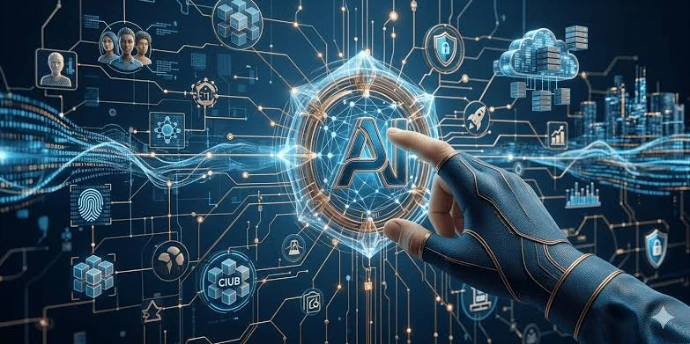
1. What Is Artificial Intelligence (AI)?
Artificial Intelligence, commonly known as AI, is a technology that allows computer systems to perform tasks that normally require human intelligence. These tasks can include understanding language, recognizing images, finding patterns, generating content, and making predictions.
AI systems use data, algorithms, and trained models to perform different tasks.
Some common examples of AI applications include:
AI Chatbots: Answer customer questions and provide information through conversations.
AI Writing Tools: Help create emails, articles, reports, and other written content.
Image Recognition: Identify objects, faces, and other visual information in images.
Voice Assistants: Respond to voice commands and perform supported tasks.
Recommendation Systems: Suggest products, videos, or services based on user activity and preferences.
AI is already used in areas such as retail, education, healthcare, banking, communication, and business management.
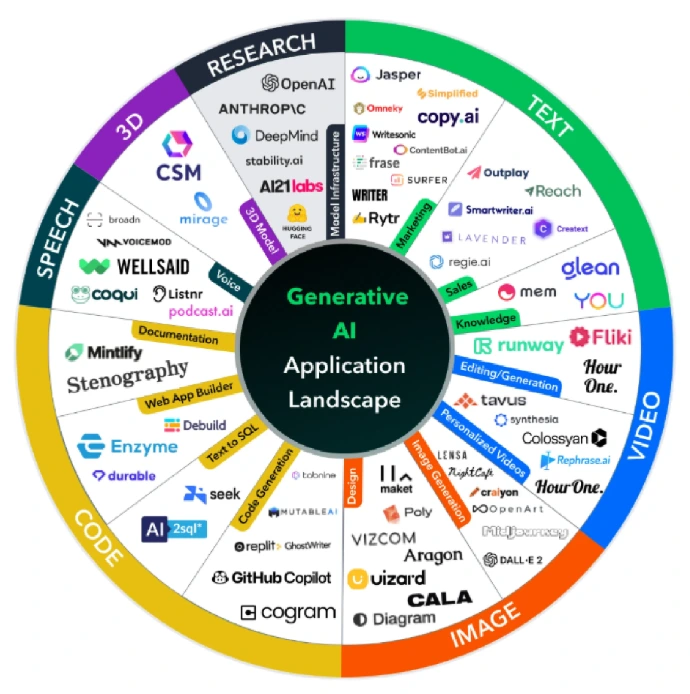
2. Popular AI Tools and Their Uses
Different AI tools are designed to help users with different activities. Some focus on writing, while others help with research, image creation, coding, and productivity.
Here are some examples:
ChatGPT
ChatGPT is an AI assistant developed by OpenAI. It can help users answer questions, understand topics, generate ideas, write content, and assist with programming tasks.
Google Gemini
Google Gemini is an AI system developed by Google. It can help with writing, information analysis, brainstorming, and other supported tasks.
Microsoft Copilot
Microsoft Copilot is an AI assistant that can support users with information, content creation, and productivity tasks across supported Microsoft products.
Canva AI
Canva provides AI-powered features that help users create designs, presentations, images, and marketing materials.
3. Business Automation: Making Work More Efficient
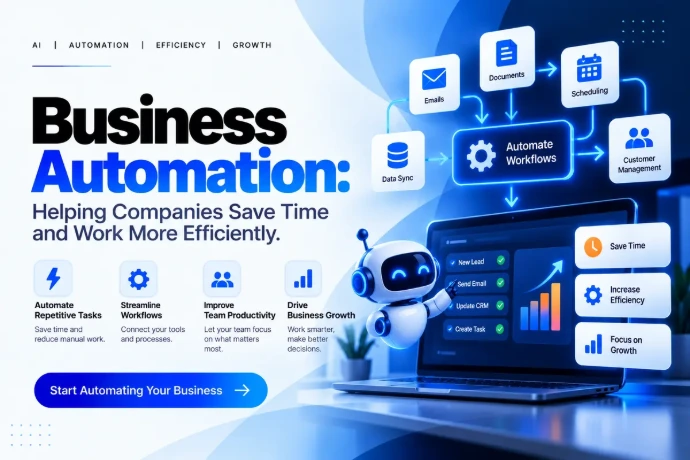
Automation means using technology to perform tasks with less manual effort. It helps businesses manage repetitive activities and create more organized workflows.
For example, a business may use automation to:
Send automatic order confirmation emails.
Update inventory records after sales.
Generate invoices and reports.
Organize customer information.
Send appointment reminders.
Manage repetitive data entry tasks.
AI-powered automation can also help analyze information, classify customer requests, and support more complex workflows.
For small businesses, automation can reduce repetitive work and allow employees to focus on other important responsibilities.
However, automation should be planned carefully. Businesses need to check that automated processes work correctly and provide a way for employees to handle errors or unusual situations.
4. Internet of Things (IoT): Connecting Smart Devices
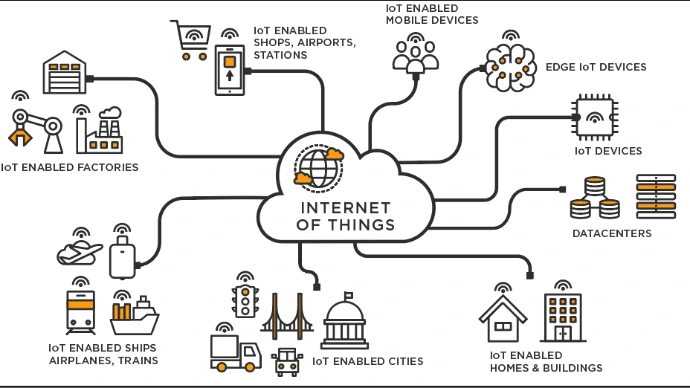
The Internet of Things (IoT) refers to physical devices that connect to the internet or other networks and exchange data.
These devices may contain sensors, software, and communication technologies that allow them to collect and share information.
Examples of IoT devices include:
Smart Cameras: Allow authorized users to monitor locations through connected systems.
Smart Sensors: Measure information such as temperature, movement, and humidity.
Smart Home Devices: Allow users to control lighting, appliances, and other equipment.
Industrial Sensors: Help monitor machines and equipment in factories.
Smart Security Systems: Connect cameras, alarms, and sensors for monitoring.
IoT is useful in smart homes, offices, healthcare, agriculture, transportation, and industrial environments.
For businesses, connected devices can provide useful information about equipment and working conditions. However, device security, network protection, and privacy should always be considered.
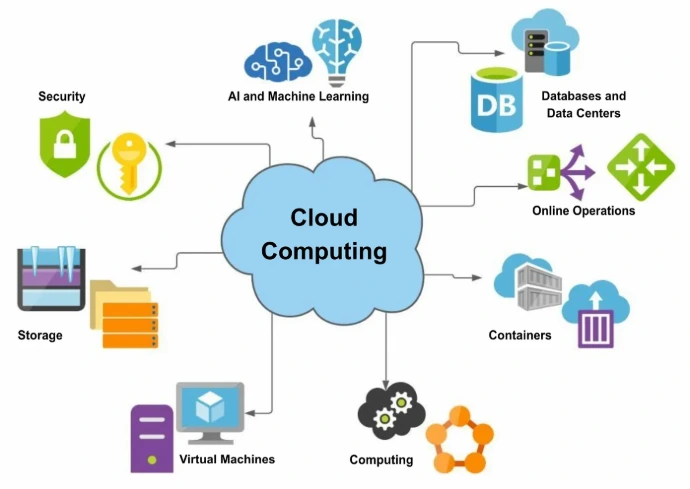
5. Cloud Computing: Accessing Technology Online
Cloud computing allows users to access computing resources such as storage, software, databases, and processing power through a network, usually the internet.
Instead of keeping all information and software on one local computer, businesses can use cloud services to access resources from different locations.
Some common uses of cloud computing include:
Cloud Storage: Store and access files online.
Online Collaboration: Allow employees to work on shared documents.
Cloud Applications: Use business software through a web browser.
Data Backup: Keep additional copies of important information.
Cloud Servers: Run applications and websites using cloud infrastructure.
Cloud computing can help businesses access resources without maintaining all the required physical infrastructure themselves.
However, businesses should consider subscription costs, internet availability, data security, backup arrangements, and service reliability before selecting a cloud solution.
6. Emerging Technologies Changing the Future
Technology continues to develop, introducing new tools and methods that may change how businesses operate.
Some important areas of emerging technology include:
Artificial Intelligence and Machine Learning
Machine learning allows computer systems to identify patterns in data and use them to make predictions or classifications. It is used in areas such as product recommendations, fraud detection, and demand forecasting.
Robotics
Robotics combines machines, software, and control systems to perform physical tasks. Robots are used in manufacturing, warehouses, healthcare, and other industries.
Virtual Reality (VR) and Augmented Reality (AR)
Virtual Reality creates computer-generated environments, while Augmented Reality adds digital information to the real world. Both technologies are used in training, education, design, and entertainment.
Cybersecurity Technology
Cybersecurity technologies help protect computers, networks, applications, and information from unauthorized access and digital threats.
Edge Computing
Edge computing processes data closer to where it is generated instead of sending everything to a distant cloud data centre. It can be useful for applications that need quick responses, such as connected devices and industrial systems.
These technologies have different purposes, and businesses should select them according to their actual requirements.

Artificial Intelligence and emerging technologies are changing the way businesses manage their daily activities. From AI assistants and automation to IoT devices, cloud computing, and cybersecurity, modern technology offers many opportunities to improve business operations.
However, choosing the right technology requires proper research, planning, and an understanding of its limitations. Businesses should focus on solutions that meet their actual requirements while considering security, privacy, cost, and reliability.
As technology continues to develop, learning about these changes can help individuals and businesses stay informed and prepared for the future.